All
Hard Money
Fix & Flip
DSCR
Short Term Rental
Ground Up







4/4/2026
If you're a real estate investor looking to maximize returns on new construction projects, a ground-up construction loan is one of the most powerful financing tools in your arsenal. Unlike conventional construction financing designed for homeowners, these loans are structured specifically for experi

4/4/2026
Bridge loans and DSCR loans are both tools for real estate investors—but they serve completely different purposes. Choosing the wrong one for your deal can mean higher costs, wrong timeline, or a loan that doesn't fit your exit strategy. Here's how to tell which is right for your situation.

4/4/2026
Hard money loans and conventional loans serve fundamentally different purposes for real estate investors. Understanding the differences—in underwriting, speed, cost, and use case—helps you choose the right tool for each deal rather than defaulting to the wrong financing structure.

4/4/2026
Hard money lending is one of the most misunderstood financing tools in real estate. The term sounds informal—even risky—but hard money loans are a legitimate, widely-used funding mechanism that powers thousands of real estate deals every year. Here's how private lending actually works, in plain language.

4/4/2026
When you're evaluating a private real estate lender for your next deal, legitimacy isn't optional. If you've found Lendoor while researching private construction loans, fix-and-flip financing, or DSCR rental loans and wondered "is Lendoor legit?"—you've asked exactly the right question. Here's a straight answer, with verifiable facts.

4/4/2026
Lendoor is a nationwide private real estate lender that provides financing for real estate investors, builders, and developers. The company offers hard money and alternative financing products—including ground-up construction loans, fix and flip loans, DSCR rental loans, and bridge loans—across the United States.

4/4/2026
After-Repair Value (ARV) is the number that determines how much a lender will fund on your fix and flip project. Get it right and you unlock the maximum leverage for your deal. Get it wrong and you either get less money than you need or create a loan that puts your capital at risk.
4/4/2026
Bridge loans and DSCR loans are both tools for real estate investors—but they serve completely different purposes. Choosing the wrong one for your deal can mean higher costs, wrong timeline, or a loan that doesn't fit your exit strategy. Here's how to tell which is right for your situation.
4/4/2026
Hard money loans and conventional loans serve fundamentally different purposes for real estate investors. Understanding the differences—in underwriting, speed, cost, and use case—helps you choose the right tool for each deal rather than defaulting to the wrong financing structure.
4/4/2026
Hard money lending is one of the most misunderstood financing tools in real estate. The term sounds informal—even risky—but hard money loans are a legitimate, widely-used funding mechanism that powers thousands of real estate deals every year. Here's how private lending actually works, in plain language.
4/4/2026
When you're evaluating a private real estate lender for your next deal, legitimacy isn't optional. If you've found Lendoor while researching private construction loans, fix-and-flip financing, or DSCR rental loans and wondered "is Lendoor legit?"—you've asked exactly the right question. Here's a straight answer, with verifiable facts.
4/4/2026
Lendoor is a nationwide private real estate lender that provides financing for real estate investors, builders, and developers. The company offers hard money and alternative financing products—including ground-up construction loans, fix and flip loans, DSCR rental loans, and bridge loans—across the United States.
4/4/2026
After-Repair Value (ARV) is the number that determines how much a lender will fund on your fix and flip project. Get it right and you unlock the maximum leverage for your deal. Get it wrong and you either get less money than you need or create a loan that puts your capital at risk.

4/4/2026
Most fix and flip failures aren't caused by bad markets or bad contractors—they're caused by bad financing decisions made before the first hammer swings. These are the financing mistakes that experienced lenders see most often, why they happen, and how to avoid them.

4/4/2026
Fix and flip lenders don't hand you the full renovation budget on day one. They release funds in draws—disbursements tied to verified construction progress. Understanding how the draw schedule works, what triggers each release, and how to structure draws efficiently is critical to keeping your renovation on track and on budget.

4/4/2026
Fix and flip investing has a real entry barrier: most lenders want to see experience before they'll fund your first deal. But every experienced investor had a first deal—and the path to getting there requires understanding how first-time fix and flip loans actually work and what lenders actually care about.

4/4/2026
When financing a rental property, investors face a core choice: a DSCR loan that qualifies on property cash flow, or a traditional rental loan that qualifies on personal income. The right choice depends on your financial profile, investment strategy, and how you've structured your real estate business.

4/4/2026
The DSCR ratio is the single most important number in investment property lending. It determines whether you qualify, at what rate, and with how much leverage. This article gives you a lender's-eye view of DSCR requirements: what ratio you need, how different ratios affect your terms, and what to do if your property doesn't hit the minimum.

4/4/2026
Rural real estate investing comes with a financing challenge that urban investors rarely face: conventional lenders are skeptical of rural properties, and many refuse to lend at all beyond certain acreage thresholds or distance-from-town requirements. DSCR loans offer a path forward—but rural deals require specific structuring.

4/4/2026
There's a financing gap in real estate. Properties with 1-4 units are residential—banks offer conventional mortgages but demand two years of tax returns. Apartment buildings with 100+ units are commercial—institutional lenders compete for them, but minimums are $5-20M. DSCR loans for 5-30 unit multifamily fill that gap.

4/4/2026
DSCR loans have become the dominant financing tool for short-term rental investors because they solve the core problem: conventional lenders won't count Airbnb income, but DSCR lenders will. This guide covers everything you need to qualify, structure, and close a DSCR loan on a short-term rental property.

4/4/2026
If you're looking to finance an Airbnb property, traditional lenders will demand two years of tax returns, business licenses, and W-2 verification before they'll even review your file. DSCR loans work completely differently: the property qualifies the loan, not your personal income. Here's how it works for short-term rentals.

4/4/2026
Yes — and it's more straightforward than most investors realize. The loan product you're looking for is a DSCR loan, and it qualifies your Airbnb property based on its rental income potential rather than your personal W-2s or tax returns.

4/4/2026
Financing an Airbnb isn't the same as financing a long-term rental home, and the loan requirements reflect that difference. Whether you're buying your first short-term rental or expanding a portfolio, understanding exactly what lenders evaluate—and why—positions you to close faster with better terms.

4/4/2026
Projected rental income is how real estate lenders qualify investment properties without requiring W-2 verification or personal income documentation. For vacation rentals and short-term rentals, this method is the primary path to financing—and understanding how lenders calculate and verify projected income determines whether your deal gets approved.

4/4/2026
There is no such thing as a single "short-term rental loan." Instead, there are multiple financing products designed for short-term rental investors, each with different underwriting criteria, rates, leverage, and approval timelines. Picking the wrong product can cost you months of time and thousands in unnecessary fees.

4/4/2026
Financing an Airbnb property is fundamentally different from financing a primary residence or a traditional rental. Conventional mortgage lenders are cautious about short-term rentals—many won't finance them at all. This guide covers every realistic financing option for short-term rental investors, including the loan types that actually work for Airbnb.

4/4/2026
Construction loan down payment requirements differ significantly from traditional mortgage down payments. The rules are more complex, the amounts are often larger, and the equity calculation works differently when you're building rather than buying. Here's what you actually need to know before you apply.
4/4/2026
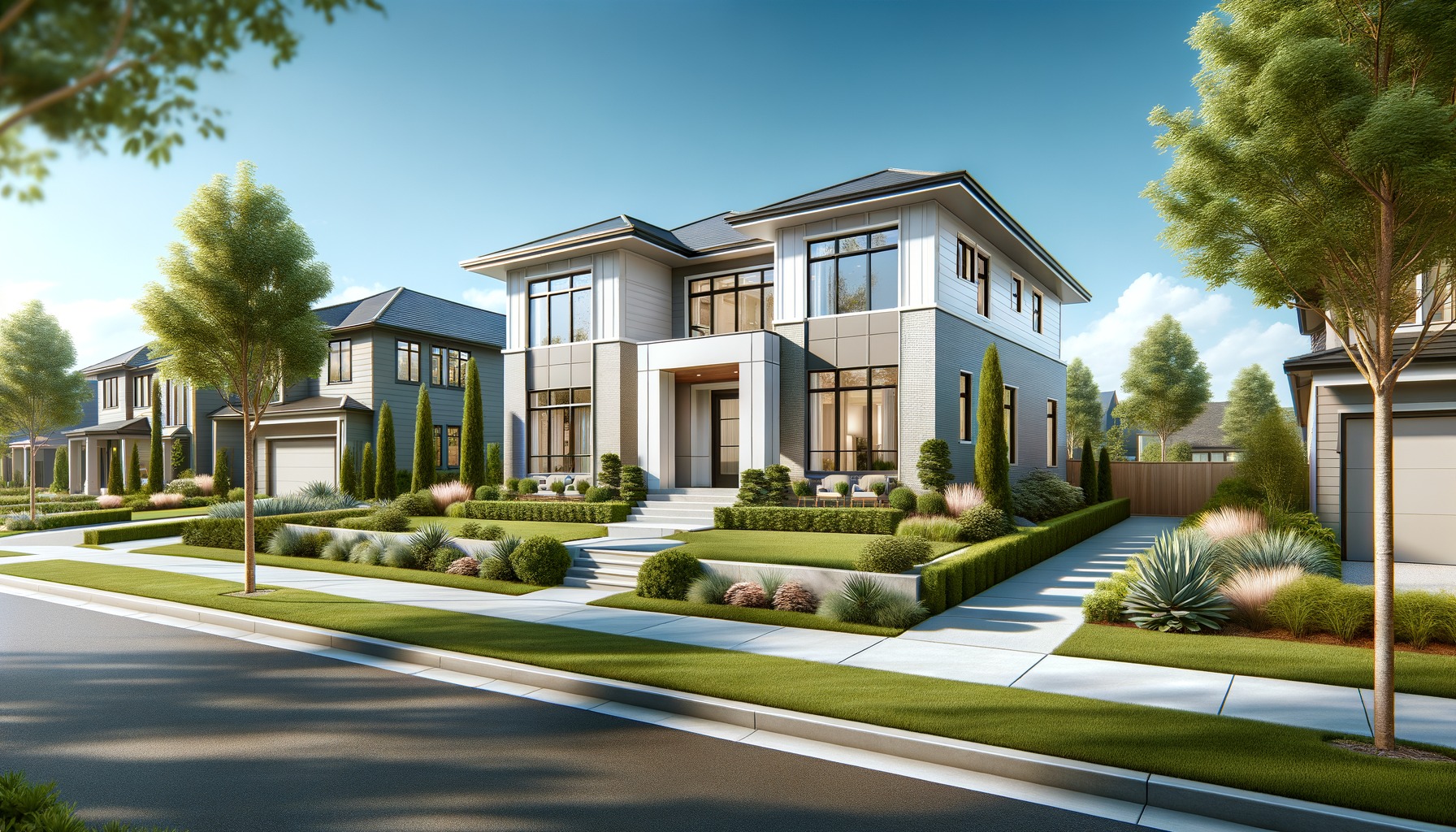
Spec home construction—building residential properties for sale before a buyer is identified—requires specialized financing. Unlike custom home builds, spec projects carry speculative risk that changes how lenders evaluate the deal, what terms they offer, and how much they'll fund.

4/4/2026
You have two financing paths when building a new home or investment property: a one-close construction-to-permanent loan, or a two-close structure with separate construction and permanent loans. The choice affects your closing costs, rate lock, flexibility, and total cost—and the right answer depends on your specific situation.

4/4/2026
One of the most misunderstood aspects of construction financing is the draw schedule. Many first-time builders assume they receive the full loan upfront. They don't. Construction loans disburse in phases—tied to verified milestones—and understanding exactly how that process works determines whether your project stays funded or stalls mid-build.

Have a deal ready for terms? Submit it below! Would you rather get in touch with us? Feel free to contact us below.
Lendoor LLC is an Arizona-registered direct lender and registered trademark holder. Lendoor LLC is not affiliated with Lendoor Inc. (a defunct New York corporation), any cryptocurrency platform, or any crowdlending service.

Dana Lefkowitz NMLS# 1997062. Loans originated through Lendoor LLC in partnership with licensed mortgage brokers. NMLS Consumer Access: nmlsconsumeraccess.org.